A lost native of Welsh Wetlands
White-tailed Eagles (Eryr y Môr) were once a widespread and iconic part of the Welsh landscape. From coastal cliffs and estuaries to inland wetlands and river systems, these powerful sea eagles were present across Wales for thousands of years. Evidence from archaeological remains, historic records and Welsh place-names shows that White-tailed Eagles were deeply embedded in both the ecology and cultural heritage of Wales.
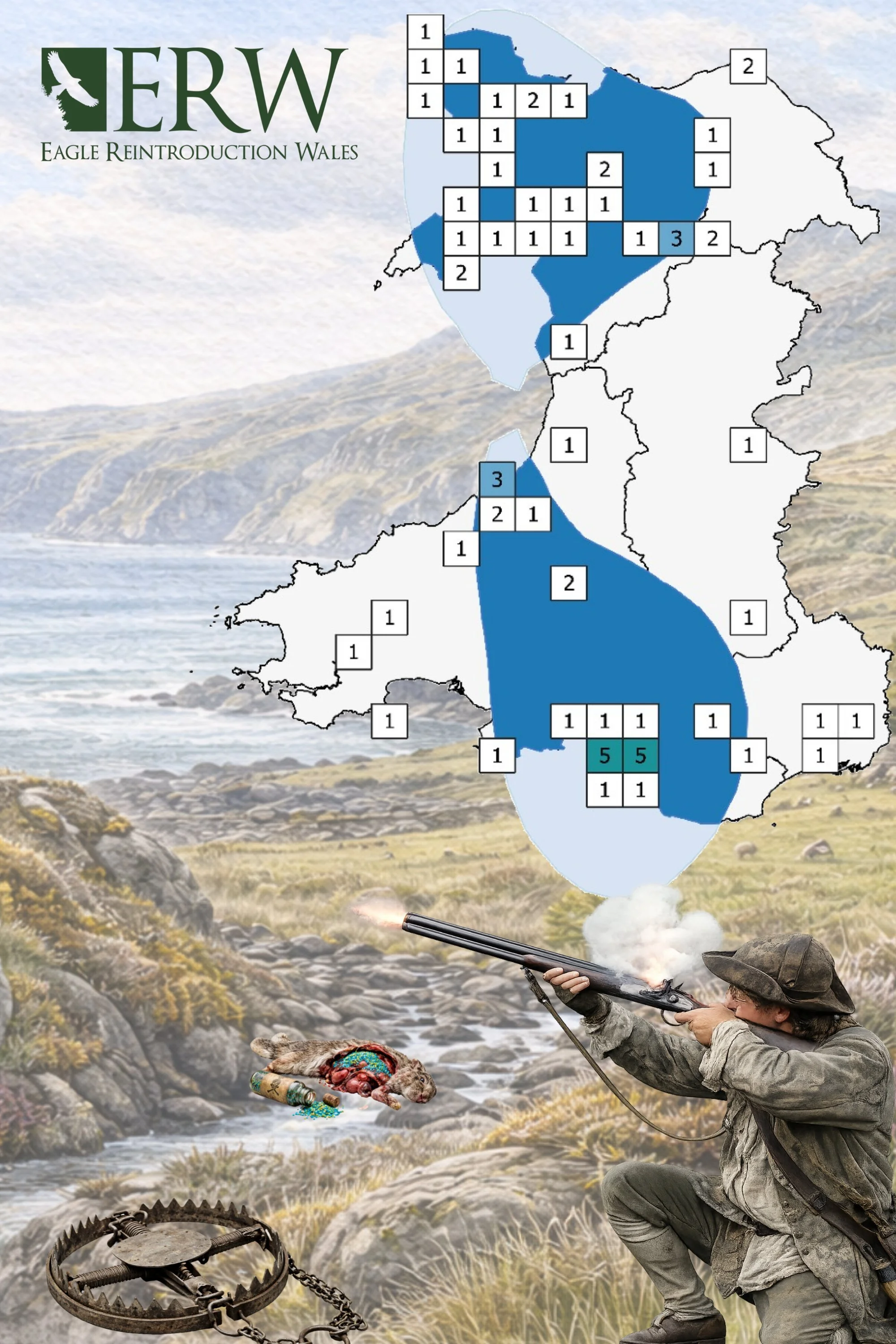
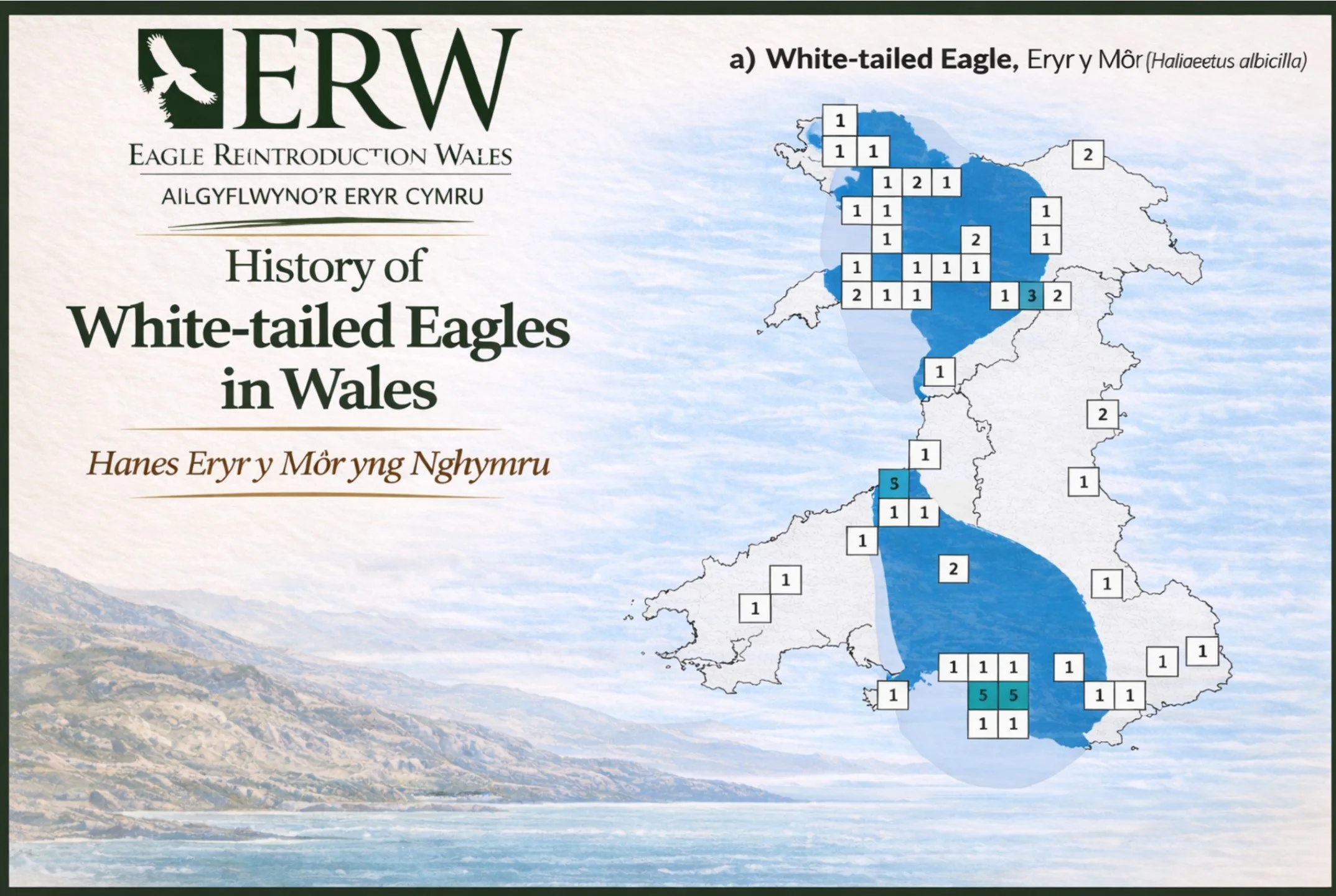
However, this long-standing relationship was lost within a relatively short period of time. White-tailed Eagles were driven to extinction as a breeding species in Wales in the early 1800s, with historic records showing they were once regularly observed along the Welsh coastline, including Gwynedd, Ceredigion, Carmarthenshire, and South Wales. Their disappearance marked the loss of one of Wales most iconic wetland birds of prey from the Welsh landscape.
How do we know White-tailed Eagles lived in Wales?
Our understanding of White-tailed Eagles in Wales comes from multiple sources, including historic records, archaeological evidence, and Welsh place-names. Together, these span over 5,000 years, showing that White-tailed Eagles were a native breeding species rather than occasional visitors, and helping us understand their distribution across Wales.

Archaeology & fossils
Fragments of White-tailed Eagle bones have been found in archaeological deposits in Wales, some dating back over 5,000 years to the Neolithic period. Many of these remains come from coastal sites, reflecting the species’ long-standing association with people, place and Welsh shores and estuaries

Historic records
Old manuscripts and written accounts document White-tailed Eagles in Wales over many centuries, describing where they lived, nested and were persecuted. For example, historical records show White-tailed Eagles were once regularly observed along the coasts of Gwynedd, Ceredigion and South Wales, particularly around estuaries and sea cliffs.
Welsh place-names
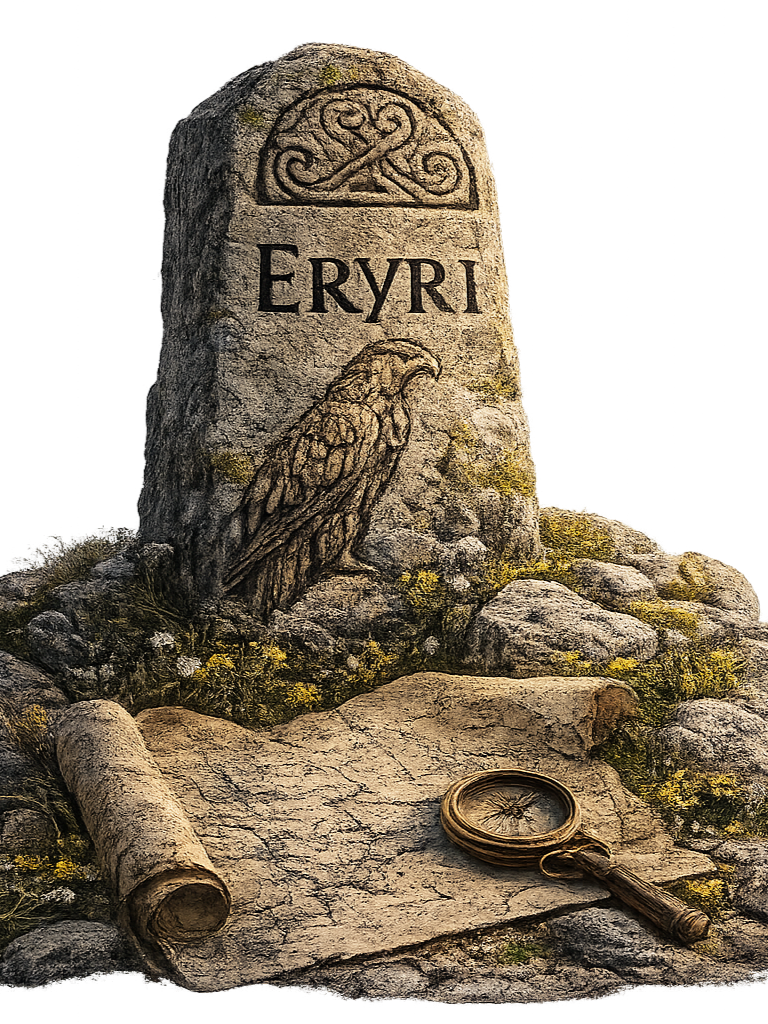
Place-names across Wales, particularly those containing “Eryr” (eagle), preserve historic links to eagles in the landscape. While not species-specific, many occur in coastal and estuarine areas such as Gwynedd, Anglesey and Ceredigion, aligning with habitats used by White-tailed Eagles. These names provide cultural evidence that eagles were once a familiar part of Welsh life.