Current UK Distribution and the need for Reintroduction in Wales
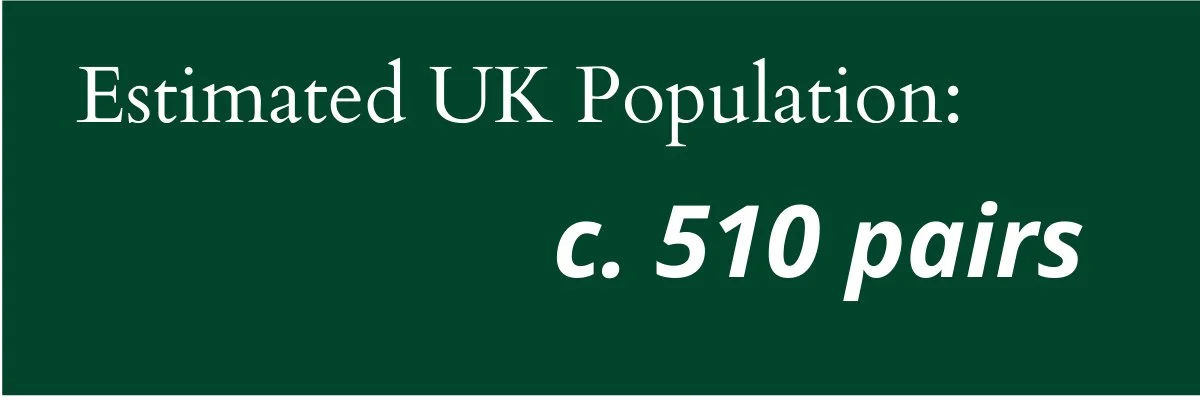
Golden Eagles in the UK are currently restricted almost entirely to the remote uplands of Scotland, where approximately 500 breeding pairs occupy large, sparsely populated landscapes. Despite this recovery, the species remains absent from Wales and much of its historic range in southern Britain.
Unlike some bird species, Golden Eagles show strong territorial behaviour and limited natural range expansion across heavily modified landscapes. The distance between existing Scottish populations and suitable habitats in Wales, combined with barriers such as human land use and low population density at the range edge, makes natural recolonisation highly unlikely.
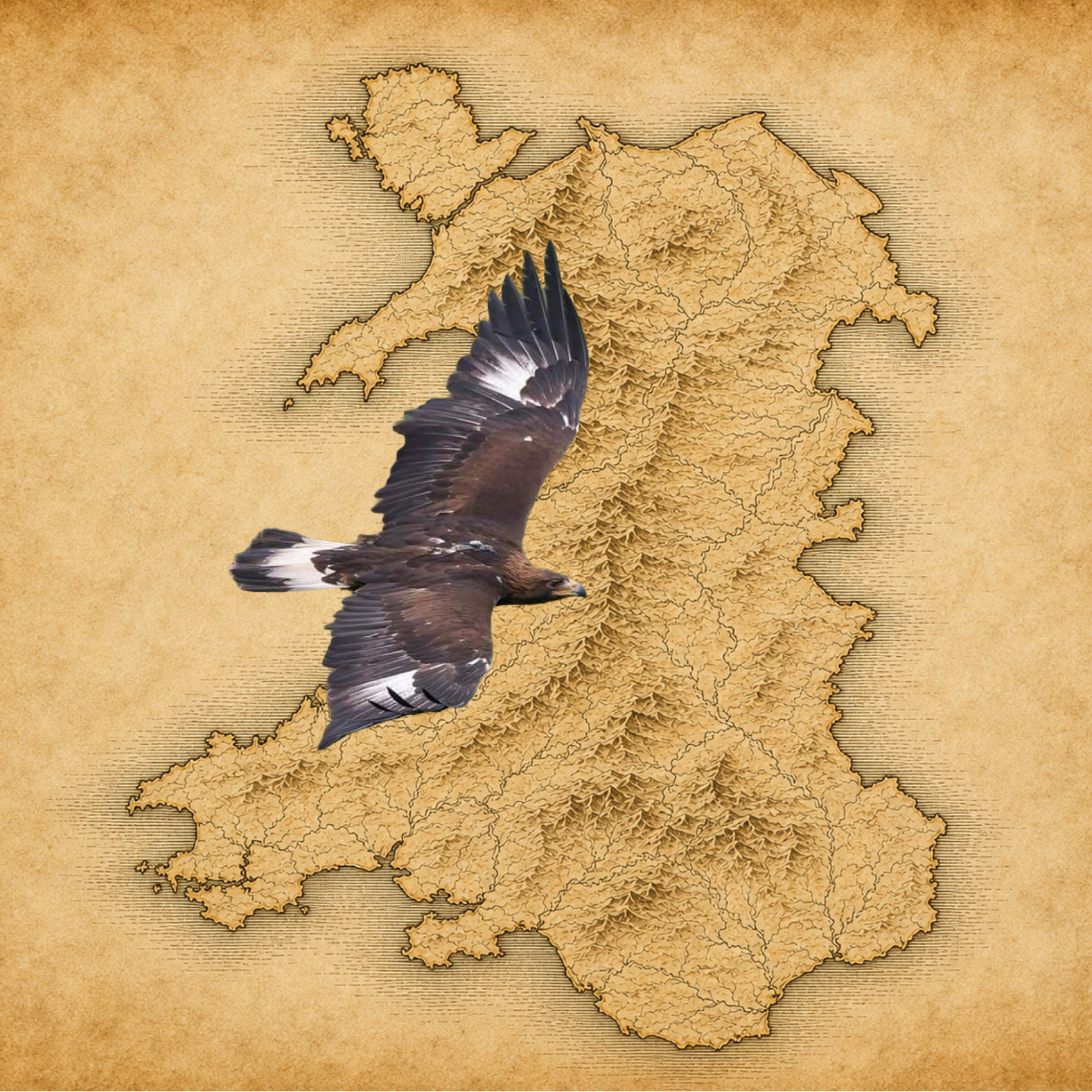
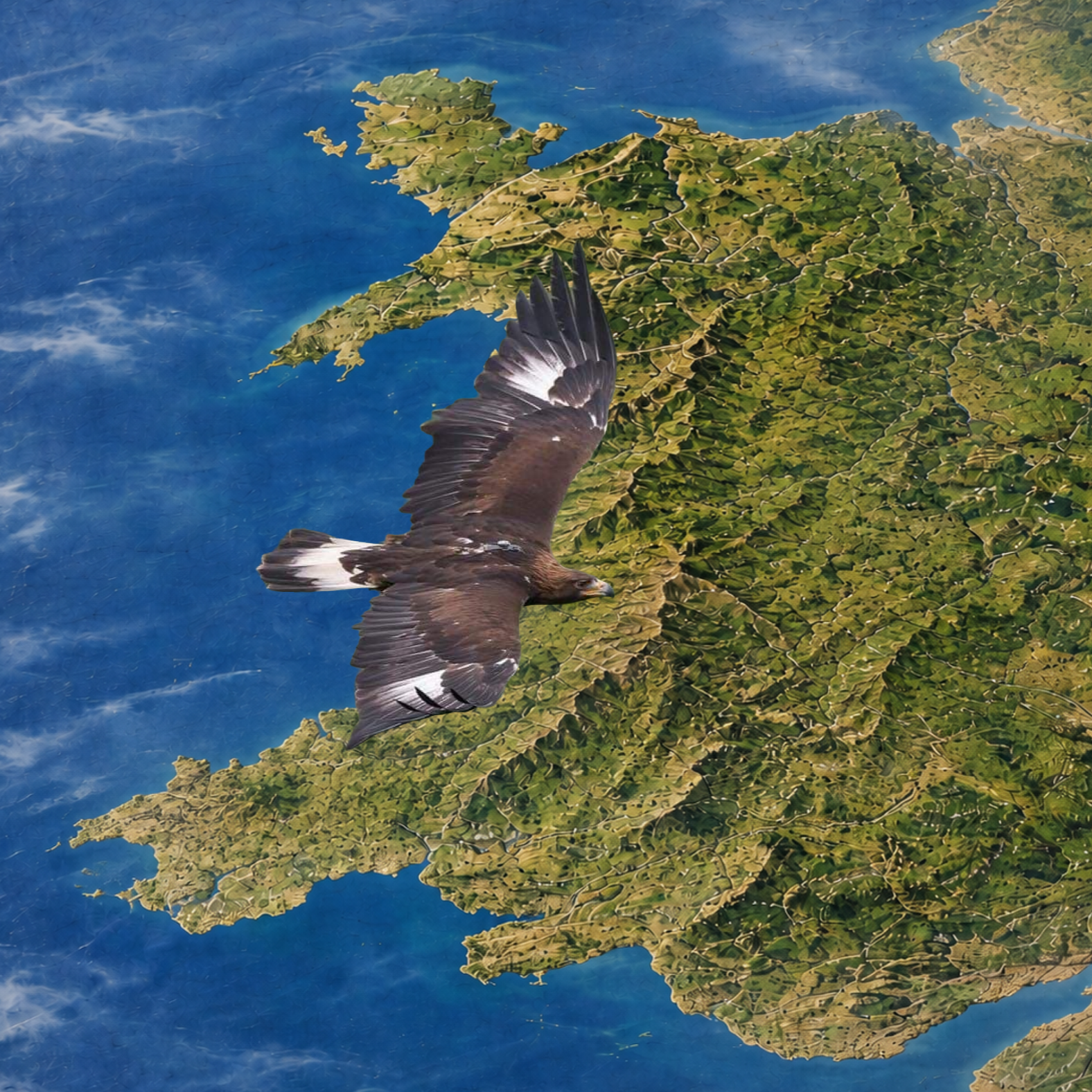
As a result, Wales remains disconnected from the current UK Golden Eagle population, despite containing extensive areas of suitable upland habitat capable of supporting the species.
Golden Eagles were once a natural component of Wales’ upland ecosystems, and their absence represents a long-standing ecological gap. Without intervention, their return to Wales is not expected to occur within any meaningful conservation timeframe.
A carefully planned reintroduction therefore represents the most realistic and scientifically supported approach to restoring Golden Eagles to their historic range in Wales, contributing to the recovery of upland ecosystems and reconnecting southern Britain with this iconic bird of prey.